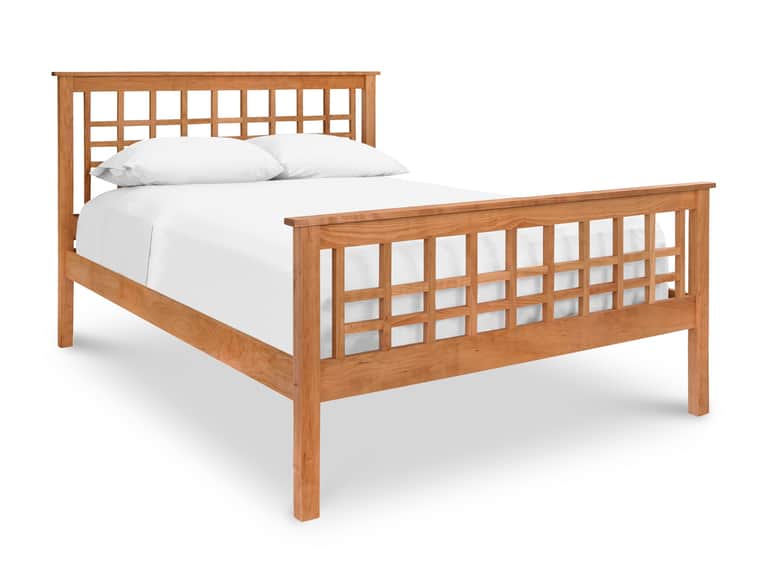
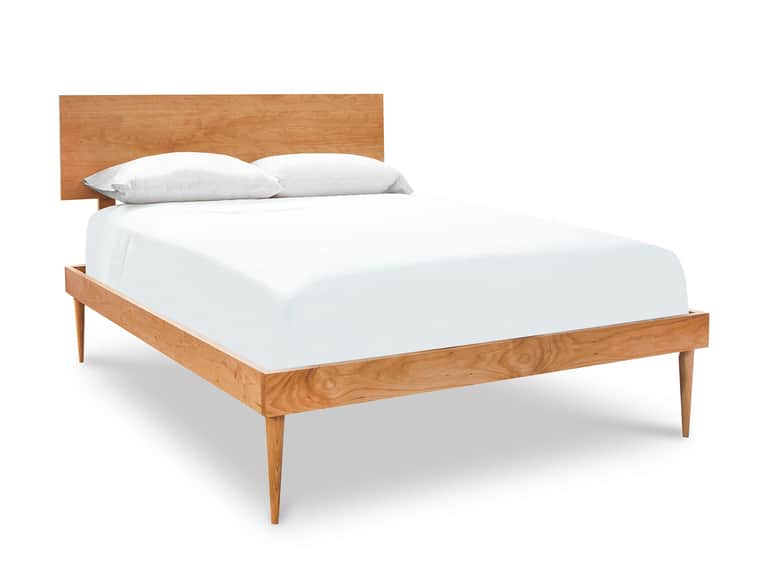
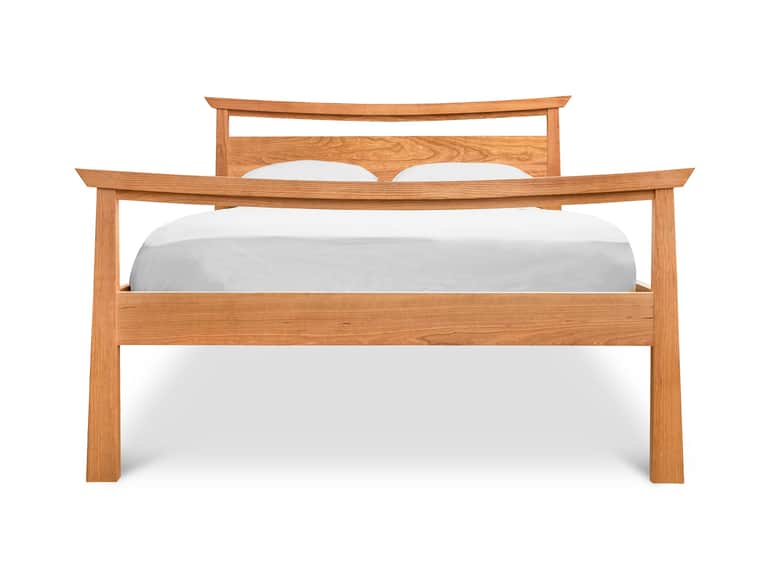
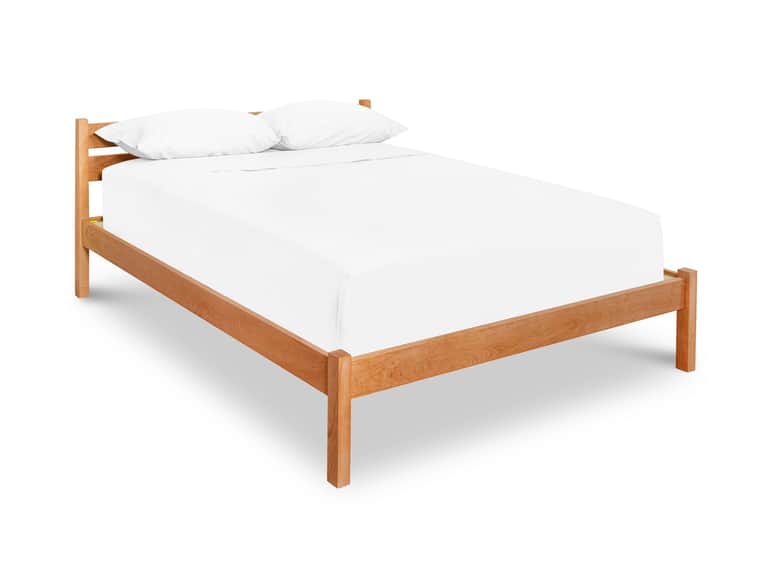
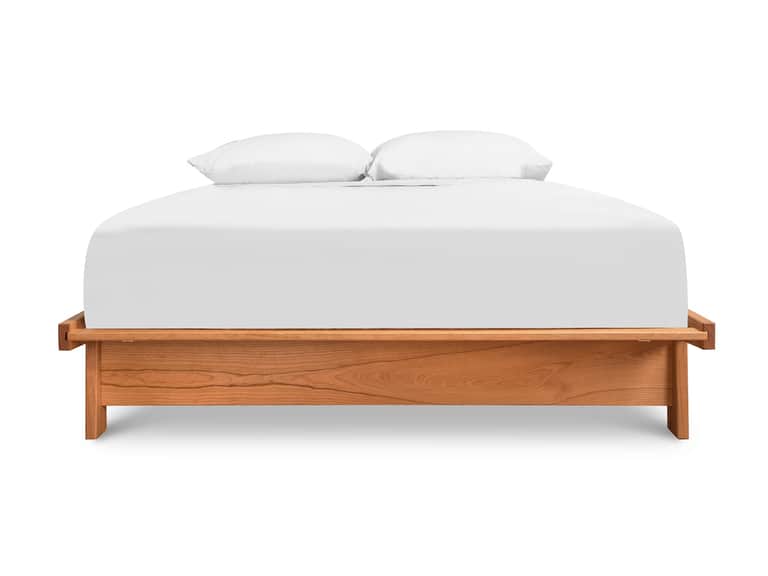
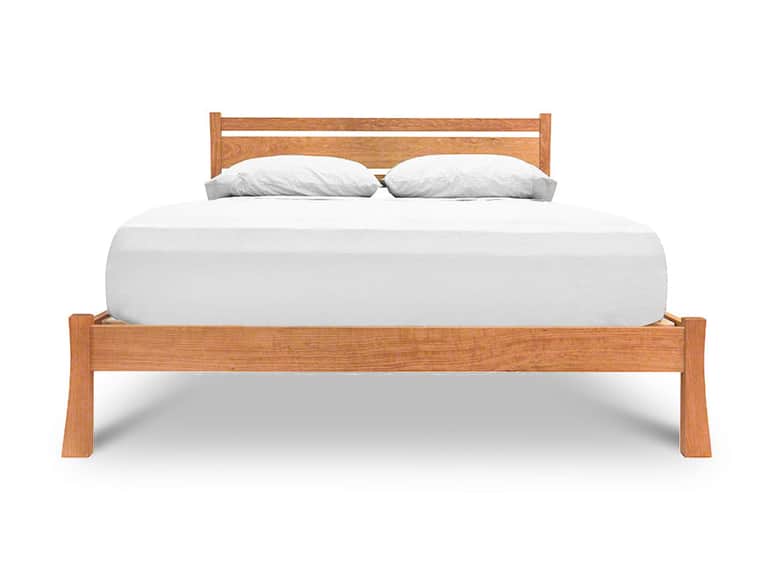
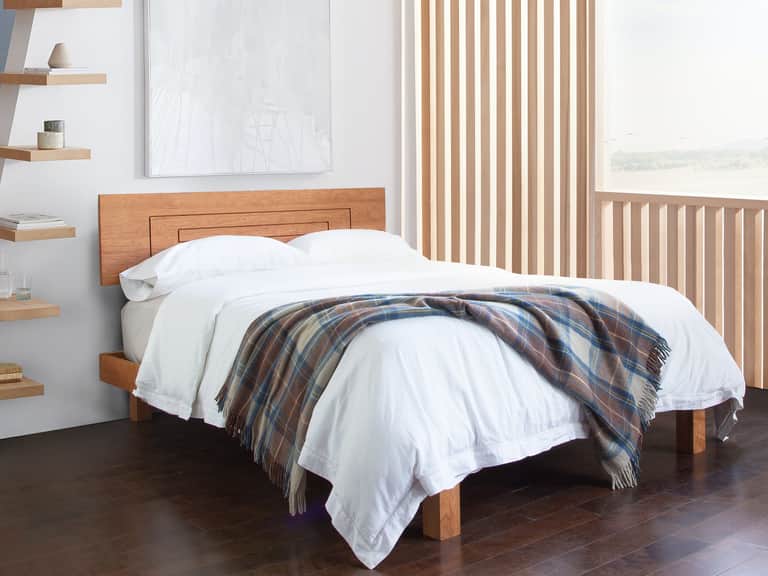
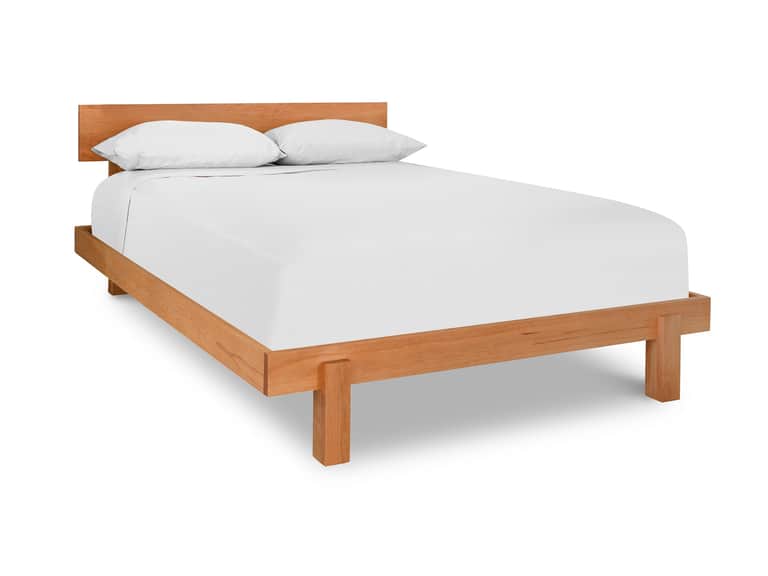
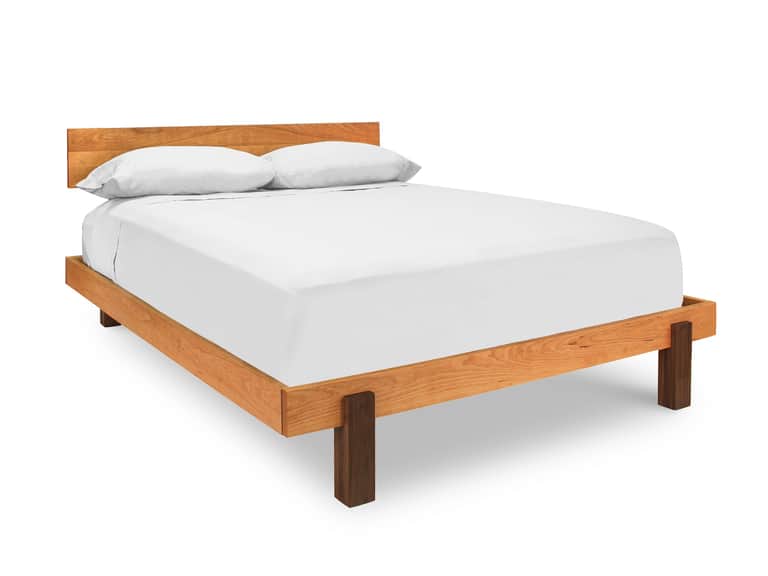
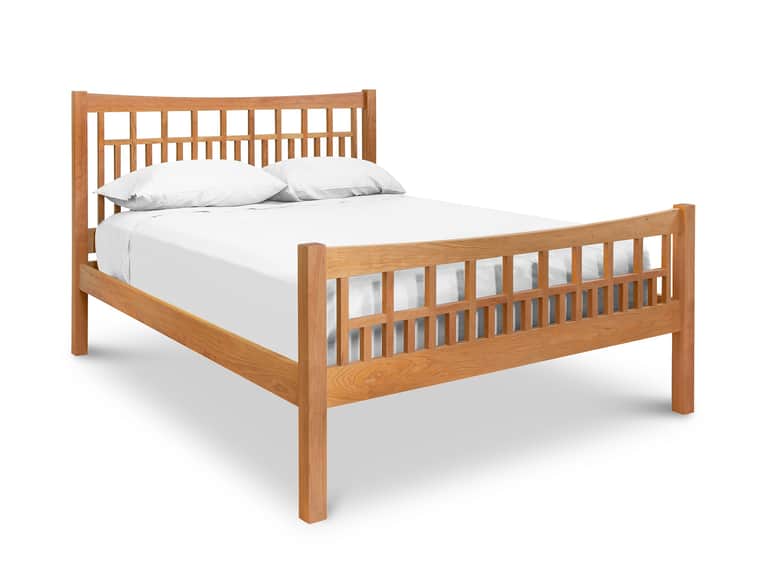
Platform bed frames provide a low-profile, contemporary foundation that supports mattresses with clean lines and a modern aesthetic. This category highlights structural design, materials, and compatibility with various mattress types, focusing on durability, ease of assembly, and ventilation to promote mattress longevity and stable sleep surfaces. Key features often include solid wood or metal rails, reinforced center supports, and hidden mounting systems that reduce visible hardware.
When evaluating platform bed frames, consider height, slat spacing, and weight capacity to ensure proper support and airflow. Many designs incorporate slatted foundations or integrated platforms that minimize the need for box springs, aligning with contemporary bedding setups. The choice of finish and headboard compatibility also affects visual integration with room décor and sleep ergonomics.
The Larssen Bed exemplifies how platform frames fuse form and function. Its low-profile silhouette offers a grounded presence, while robust framing and precise joinery provide lasting stability. Notable benefits include quiet operation, straightforward assembly, and compatibility with a range of mattress materials, including memory foam and latex, for consistent comfort.
Material considerations influence performance and care. Wood platforms emphasize natural aesthetics and warmth, while metal frames prioritize minimalism and airflow. Maintenance typically involves occasional dusting and gentle cleaning, with attention to weight distribution and floor protection to prevent scratches and preserve surface finishes over time.
In addition to structural integrity, platform bed frames affect bedding compatibility, including sheets and comforters. The category integrates considerations for diverse bedding options, such as wool comforters and breathable linens, ensuring a stable sleep surface. Understanding slat support, leg configuration, and edge transitions helps match a platform frame with preferred comfort and room dynamics.
 Furniture