Vispring vs. Aireloom: A Tale of Luxury Mattress Craftsmanship
A careful, observant comparison of two venerable names in premium sleep: Vispring and Aireloom. Built on centuries of handcrafting tradition, both brands pursue the same noble aim—delivering restorative, luxurious slumber—yet they diverge in material philosophy, spring systems, and the tactile poetry of the sleep surface. This article analyzes how each brand translates heritage into a modern sleep experience, what discerning buyers should evaluate when confronted with their options, and how to align a mattress choice with a high-end bedroom aesthetic.
Design philosophies: craft, materials, and the language of comfort
At the heart of Vispring and Aireloom lies a devotion to handcraftsmanship and an insistence on using natural materials. Both brands root their reputations in artisanal processes that privilege tactile richness, durability, and a sleep environment that responds to the body’s contours. Yet their approaches reveal distinct design vocabularies.
Vispring, with its storied legacy, often leans into a traditional British sensibility—deep springs, hand-nested pocketed coil systems, and a reverence for natural materials like wool, horsehair, and cotton. The result is a mattress that invites a slower, absorbing compression and a pronounced, responsive contouring that many sleepers associate with a classic “hotel-like” luxury. The emphasis is rarely on a single firmness; instead, Vispring bedding tends to offer nuanced zones of support, tailored through varied spring counts and comfort layers to achieve a balanced, long-lasting feel.
Aireloom, by contrast, has historically fused Californian design sensibilities with a modern luxury ethos. While it shares Vispring’s respect for craftsmanship, Aireloom often foregrounds a more contemporary silhouette and a pursuit of a harmonized, responsive sleep surface through innovative coil systems and layered padding. The Aireloom approach frequently celebrates a seamless, enveloping feel—where firmness and pressure relief converge to deliver a unified, precise pressure map across different sleep positions.
In practical terms, both brands aim for durability and a clean aesthetic that suits refined bedrooms. The difference you feel—whether it’s the initial give, the way the surface yields under the shoulders and hips, or the quiet stability as you roll over—tells you which design language aligns with your sleep physiology and interior styling.
Spring systems: pocketed coils, reinforcement, and the choreography of support
The spring system is the spine of a mattress. Vispring’s signature often includes a higher coil count with hand-nested pocket springs, wrapped in natural materials that can create a luxurious, slightly denser feel. The craftsmanship emphasis—handmade, with attention to each coil’s interaction with its neighbors—tends to yield a sleep surface that is firm yet yielding in the right places, providing robust support without sacrificing plushness where it matters most.
Aireloom commonly employs a sophisticated coil construction, sometimes paired with memory foams or latex layers, to deliver a responsive bounce and a smooth transition between firmness zones. The system is designed to distribute body weight evenly, minimize motion transfer, and adapt to various sleeping positions. For buyers who prize a rapid, reactive response to shifting positions, Aireloom’s approach may feel especially intuitive.
Both brands, however, are mindful of temperature and airflow. In high-quality builds, coil arrangements are complemented by breathable covers and natural fibers that help regulate microclimates, so the body remains neither too warm nor too cool through the night. The result is a sleep surface that remains comfortable across seasons and room conditions.
Materials, wellness, and the sensory language of luxury
Material choice matters beyond tactile delight. Natural fills—wool, horsehair, cotton, and cotton blends—offer breathability, moisture management, and resilience that synthetic components can struggle to replicate over time. Vispring’s tradition of natural fillings and hand-tied layers creates a vibe of heritage craftsmanship, which many buyers associate with durability and a sense of permanence in the sleep environment.
Aireloom integrates modern composites with careful attention to pressure distribution and support longevity. The layering often aims to strike a balance between immediate comfort and long-term structural integrity. Both brands equally seek to protect spinal alignment and minimize toss-and-turn patterns by matching firmness with sleeping posture, weight distribution, and personal comfort preferences.
From a wellness perspective, the choice between Vispring and Aireloom extends into how heat and humidity are managed inside the mattress. Breathable materials and well-designed cover fabrics reduce heat buildup, a factor increasingly linked to improved sleep efficiency. The right pick depends on climate, seasonality, and individual tolerance for microclimate shifts during the night.
Durability, warranties, and the buyer’s road map
Luxury mattresses are a long-term investment, and the path to secure value lies in reliable construction and strong warranties. Vispring typically communicates a legacy of meticulous handcrafting with durable components meant to endure decades of use. Their warranties—though varying by model and market—often reflect confidence in the materials’ longevity and the integrity of the handmade process.
Aireloom emphasizes the precision of its coil systems and the quality of its conforming layers, supported by warranty terms designed to reassure buyers about product performance over time. When evaluating warranty, buyers should scrutinize coverage for sagging beyond specified thresholds, edge support durability, and any coverage related to progressive changes in comfort due to usage.
In both brands, the retailer or showroom advisor can illuminate the specifics of return policies, inspection processes, and service options. For the luxury buyer, a mattress is as much an ongoing relationship as a one-time purchase. Understanding the terms helps protect the investment and ensures the sleep environment remains aligned with evolving preferences and changes in sleep needs.
Sleep styles and the personal fit: finding your alignment
Firmness is not a universal truth but a personal dialogue between the sleeper and the bed. Vispring’s hand-tied, multi-layered constructions often yield a traditional, progressive feel—firm, then yielding as you sink into the layers. This can translate to excellent support for heavier individuals or those who prefer a pronounced, immediate sense of structure upon lying down. For lighter sleepers, Vispring’s detailed zoning and natural fillings can still deliver comfortable contouring without loss of lift.
Aireloom’s configurations tend to emphasize swift adaptability and a smoother transition between zones, with a potential lean toward a more balanced, mid-to-firm feel that supports spinal alignment while offering a luxurious, enveloping sensation. This can be especially appealing to couples with different weight distributions or sleep positions, as the surface tends to accommodate micro-movements with less perceptible disturbance.
Prospective buyers should consider their dominant sleep position (back, side, stomach), typical body weight, partner movement, and preferred surface temperature. It is advisable to test in-store with a knowledgeable consultant, lying in various positions for an extended period. A comfortable night’s sleep on a premium mattress can be a transformative experience, but it should also be validated over multiple nights before a long-term commitment.
Practical tips for shoppers: what to ask and how to compare
- Ask about the coil count and coil type (pocketed vs tied) and how the core interacts with comfort layers to shape support and pressure relief.
- Inquire about natural fillings and their sourcing, as well as any synthetic components used to augment durability or resilience.
- Request a clear explanation of firmness options, including any standardization notes (e.g., scale 1-10) and whether a model can be customized for firmness.
- Ask about edge support, especially if the mattress will be used on a platform bed or with limited surrounding structure.
- Clarify warranty specifics, including sag thresholds, coverage duration, and service or replacement policies.
- Consider pairing with premium foundations or bed frames that optimize the mattress’s performance, as the base can influence overall sleep quality.
- Test for motion isolation if you share a bed; this is where the layering and coil arrangement become perceptible in real-life conditions.
Beyond the technicalities, the emotional resonance of a luxury mattress matters. The right bed is not merely a tool for sleep but a cornerstone of a bedroom’s narrative—an anchor for nightly rituals and a backdrop for moments of quiet reprieve. In choosing between Vispring and Aireloom, think about your ideal sleep persona and the room’s aesthetic. The bed should feel like a natural extension of your personal sanctuary.
Brand ethics, sustainability, and the luxury standard
Today’s luxury consumer increasingly weighs environmental footprint alongside comfort. Both Vispring and Aireloom have made commitments to responsible manufacturing where possible, including sourcing natural materials and reducing process waste. For buyers, this means looking beyond the surface beauty of a mattress to the values that underpin its creation. A thoughtful purchase aligns craftsmanship with accountability, reflecting a broader investment in long-term quality rather than transient trends.
As you compare models, consider the lifecycle of the mattress, potential recertification or refurbishment programs, and the availability of replacement components. A mattress that can be refreshed or repaired extends its life, contributing to a more sustainable luxury economy and a bedroom that remains timeless rather than fleetingly fashionable.
Final thoughts: which path to choose?
Vispring and Aireloom stand as beacons of craftsmanship in the luxury mattress world. Your choice between them should reflect a synthesis of sleep science, tactile preference, and the room’s design language. If you prize a traditional, richly layered feel with a pronounced contour that whispers of old-world textile artistry, Vispring may be your match. If you seek a modern, responsive surface that glides through sleep with a balanced, harmonious texture, Aireloom could be the better fit.
In either case, a premium mattress is an invitation to a ritual: to lie down, recalibrate, and wake refreshed. It is not merely the sum of its parts but the embodiment of a bedroom’s aspiration—to marry luxury with daily ease, beauty with function, and heritage with contemporary living. As you stand at the threshold of this decision, let your sleep be the final arbiter of value, comfort, and enduring quality.
Product spotlight: a practical glimpse into premium offerings
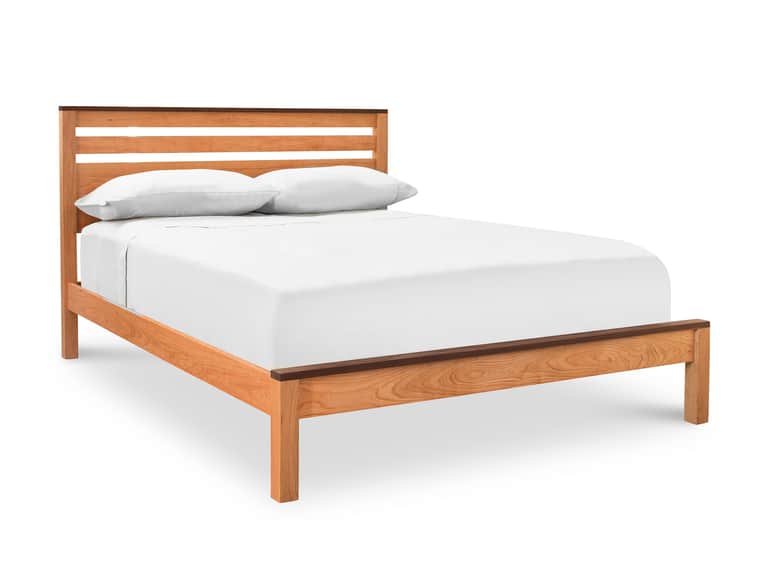
For readers exploring a curated sleep environment that complements a luxury bedroom, a product like the Skyline Panel Bed from Vermont Furniture Designs demonstrates the broader ecosystem in which a premium mattress operates. While the bed itself is not the focus of this article, recognizing how a solid, artisanal foundation supports a high-end mattress helps frame the overall room composition. The Skyline Panel Bed’s solid-wood construction and timeless profile provide a serene, architectural stage for a mattress that aims to deliver restorative sleep night after night.
Likewise, the collaboration between refined textiles and premium covers—like Giza 45 Egyptian cotton ensembles and luxuriously layered duvets—creates an integrated sensory narrative. The bed becomes a staging ground for a sleep experience defined by material truthfulness, craftsmanship, and a quiet, durable luxury that stands up to time.
This discussion references Vispring and Aireloom as benchmark brands in the luxury mattress space, drawing on widely recognized design principles and the general market consensus regarding craft, materials, and comfort. Specific product performance can vary by model, personal preference, and testing conditions.