Bedroom Design & Materials
Choosing an Organic Mattress: Materials, Certifications, and Fit
The word “organic” can suggest a simpler, more natural night’s sleep. But a mattress is a layered object, and its label alone cannot tell you how it will feel, what it contains, or whether it suits your bed. A thoughtful choice starts beneath the cover: with materials, construction, independent certifications, and the fit between mattress, sleeper, and room.
What “organic mattress” actually means
An organic mattress is not a single, standardized recipe. It may combine certified organic cotton, wool, or latex with other materials, and the word “organic” may describe only one component rather than the entire product. Some mattresses use a natural latex core and wool batting beneath a cotton cover; others combine natural and synthetic materials, or rely on a conventional foam core with a certified textile layer.
That distinction matters. A mattress is built in layers, each with its own job. The core provides most of the support and resilience. Comfort layers soften pressure at the surface. A quilted panel, cover, and internal barrier complete the construction. The materials in these layers affect feel, temperature, durability, weight, and care—not just the product’s environmental claims.
Read the construction details rather than stopping at a headline. Look for the type of latex, the stated composition of each layer, the source of the fibers where disclosed, and any fire barrier or adhesive used. A clear description lets you compare like with like. If the material list is vague, ask the manufacturer what the term “organic” applies to and which parts of the finished mattress are covered by a certification.
Organic status also does not predict comfort. A responsibly sourced mattress can still be too firm, too soft, too warm, or simply wrong for a particular sleeper. The useful question is not whether a mattress sounds luxurious, but whether its materials and construction suit the way someone sleeps.
Natural latex: buoyant, responsive, and variable
Natural latex is made from the milky sap of rubber trees. In mattress construction, it is processed into a resilient foam that compresses under weight and springs back. Many sleepers describe the sensation as buoyant or gently responsive: the surface yields, but does not necessarily create the deep, slow sink associated with some memory foams.
The experience depends on more than the word “latex.” Density, firmness, thickness, and the way the latex is produced all influence how a mattress feels. A thin latex comfort layer over a firmer core will behave differently from a mattress made almost entirely of latex. Zoned designs may use different firmness levels in different areas, though the practical effect depends on the design and the sleeper’s body and position.
Latex is often perforated during manufacture. The resulting openings can help air move through the material, but they are not a guarantee that a mattress will feel cool. Temperature also depends on the cover, other comfort layers, bedding, room conditions, and individual preference. A thick quilted surface or insulating layer may change the feel of a latex core substantially.
Some mattresses use Dunlop latex; others use Talalay latex. These names refer to different manufacturing processes, not a simple ranking of quality. The resulting materials can differ in feel and structure, but neither label alone establishes whether the latex is organic or how supportive a finished mattress will be. Check the product’s actual specifications, and, where possible, try the mattress or review its comfort policy before committing.
Latex may appeal to sleepers who prefer a responsive surface and less of a “stuck” sensation. It can also be heavy, which makes moving or rotating a mattress more demanding. Anyone with a known latex allergy should seek advice from a qualified medical professional and ask the manufacturer about the product’s materials and exposure pathways rather than assuming that a finished mattress is suitable.
Cotton, wool, and the layers around the core
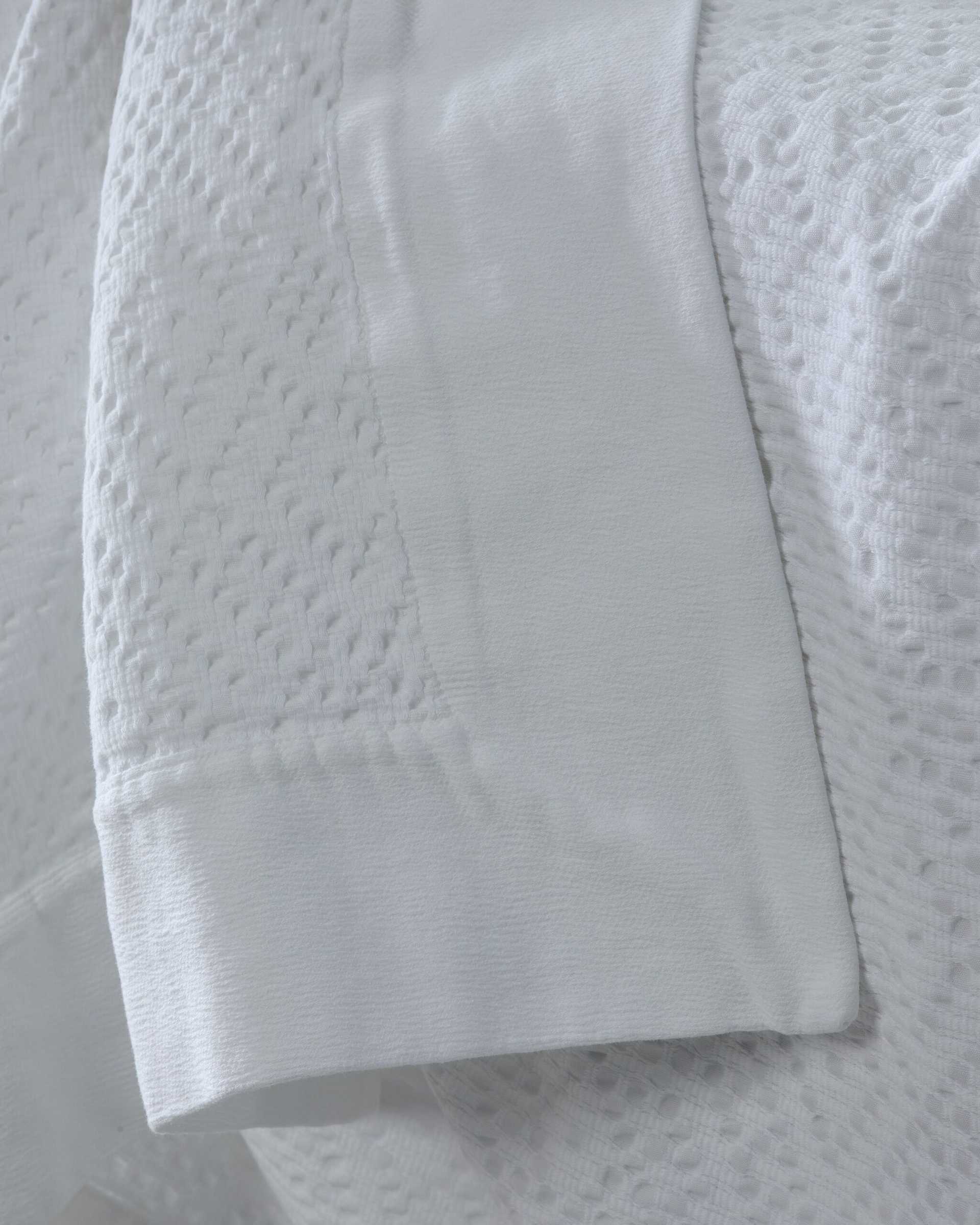
Latex rarely tells the whole story. Organic cotton is commonly used in covers and batting because it can provide a soft, familiar textile surface. Its weave and thickness affect the hand of the mattress, while quilting and the layers beneath it influence how much cushioning a sleeper notices. A cotton cover may be certified even when the mattress’s core is not organic, so the scope of the claim deserves attention.
Wool may appear as batting or as part of a mattress’s comfort and barrier layers. It can add a springy, insulating feel and help manage moisture within the textile layers. Its presence does not mean a mattress is suitable for every climate or sleeper; individual warmth, bedding, and room temperature still matter. Ask whether the wool is certified, how much is used, and what function it serves.
Other components may include steel coils, natural or synthetic fibers, adhesives, and fire-resistant barriers. Their presence does not automatically make a mattress better or worse. It does mean that a broad claim such as “all natural” can leave important questions unanswered. A precise bill of materials is more helpful than an atmospheric phrase.
Construction details also affect maintenance. Some covers are removable, but many are not intended to be taken off or washed at home. A washable mattress protector can help guard against spills and perspiration, while regular airing and following the care instructions can support cleanliness. Avoid assuming that a natural material is immune to stains, wear, or allergens.
Certifications: useful evidence, not a comfort rating
Independent certifications can make material claims easier to evaluate, but each standard has a defined scope. A certificate may apply to a raw material, a processing step, or a finished product. It does not necessarily verify every layer, determine how a mattress feels, or guarantee that it is the right choice for a particular health concern.
- GOTS (Global Organic Textile Standard) applies to qualifying textile products and addresses organic fiber content as well as specified environmental and social criteria in processing. Check whether the certificate covers the particular textile or finished item being advertised.
- GOLS (Global Organic Latex Standard) is associated with certified organic latex and related supply-chain requirements. Confirm that the certificate applies to the latex in the mattress, rather than relying on a general reference to certified materials.
- OEKO-TEX Standard 100 tests textile products and components for certain harmful substances under its criteria. It is not the same as an organic certification and does not, by itself, establish that a mattress is made from organic fibers.
- Other emissions or material programs may address specific questions about chemical content or emissions. Read the program’s stated criteria and the product’s certification documentation; names that sound similar can cover different issues.
When evaluating a claim, look for the certifier’s full name, the certificate or license number where applicable, the named product or material, and the validity period. If a brand says “made with certified organic materials,” ask which materials and what proportion of the mattress they represent. Certification is most useful when it is specific and verifiable.
It is equally important to notice what a certification does not promise. A seal is not a medical endorsement, a guarantee of long life, or a universal measure of environmental performance. Nor does one certificate establish that every component is certified. Treat certifications as evidence about defined criteria, then assess comfort and construction separately.
Support is personal; “firm” is not a universal setting
Mattress support is the way a sleep surface holds the body, while comfort is the overall sensation at the surface. The two are related but not interchangeable. A firm mattress can feel supportive to one person and uncomfortable to another; a softer surface may relieve pressure for some sleepers but allow too much sinking for others.
Body shape, weight distribution, sleeping position, mobility, and personal preference all influence the experience. Side sleepers often pay close attention to pressure at the shoulders and hips. Back sleepers may look for a surface that feels even and stable. Stomach sleepers may prefer less sink through the middle. These are starting points, not rules: no position or firmness label can predict individual comfort with certainty.
Couples may need to consider different preferences, motion transfer, and whether a split configuration is available. People with persistent pain or a medical condition should not treat a mattress as a substitute for professional advice. A mattress can be an important part of a bedroom’s comfort, but claims that a particular organic material will resolve a health problem deserve careful scrutiny.
Whenever possible, test a mattress in the position in which you normally sleep. If buying online, read the trial terms closely: the length of the trial, any waiting period, return costs, pickup arrangements, and whether the original packaging must be retained. A generous-sounding policy can have practical conditions that shape the experience.
Measure the bed, not just the bedroom
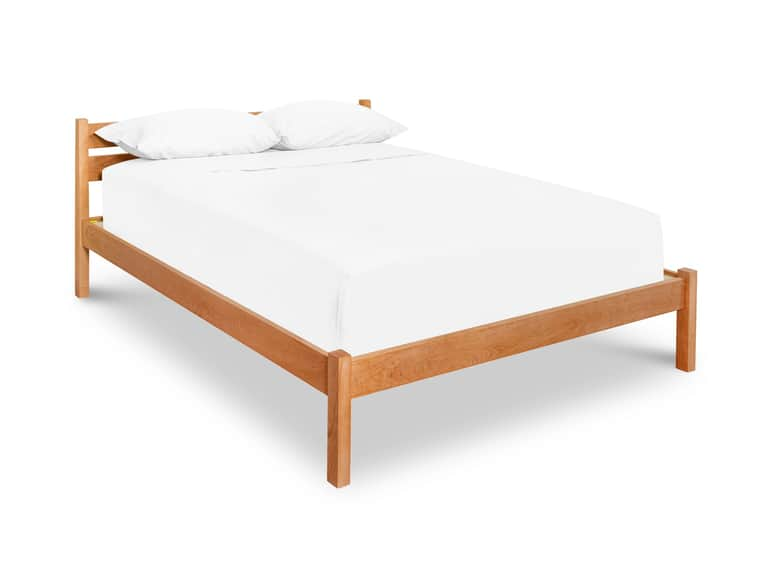
Even a carefully chosen mattress can disappoint if it does not fit its frame. Begin with the frame’s stated mattress dimensions rather than estimating from the outside of the bed. Standard sizes can vary by region, and a bed described with the same name may not have identical measurements everywhere. Measure the interior opening and compare it with the mattress specifications.
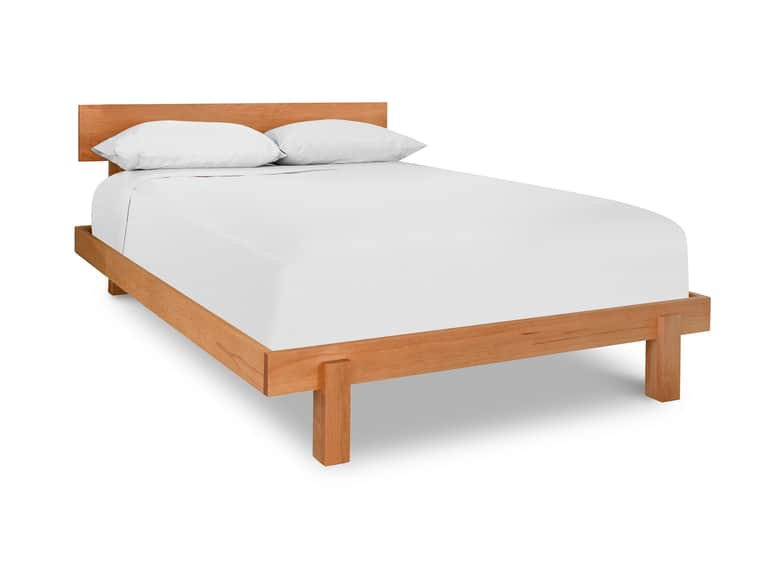
Check the support system. Platform beds may be designed for a solid surface or a set of slats, while other frames require a foundation. Follow the mattress maker’s requirements for slat spacing, central support, and any required base. Inadequate support can affect how a mattress performs and may also affect warranty coverage. A new mattress should not be assumed compatible simply because it rests on the frame.
Depth is another practical concern. The combined height of the mattress, foundation, and frame determines how easy it is to get in and out of bed and how much of a headboard remains visible. Deep mattresses may require fitted sheets with deeper pockets. Consider the height of bedside tables, the reach of reading lights, and the visual proportions of the room before settling on a taller profile.
Delivery routes matter, too. Measure doorways, stairwells, hallways, and tight turns, especially for a heavy latex mattress that may not compress or bend like some boxed models. Confirm whether delivery includes setup and removal of an old mattress. These are unglamorous details, but they can determine whether a good choice can actually reach its intended place.
A mattress is one part of the bedroom’s design. Its dimensions influence circulation, linen choices, and the balance between the bed and surrounding furniture. Leave enough space to move around it, open drawers, and make the bed without squeezing through narrow gaps. Fit is both physical and visual.
A considered purchase starts with questions
Before comparing labels or prices, write down what matters most: preferred sleeping position, desired firmness, sensitivity to heat, mattress size, frame type, and the materials you want to avoid or prioritize. A short list turns a crowded market into a more manageable comparison. It also helps distinguish genuine requirements from polished language.
Ask manufacturers or retailers for the full layer breakdown, the exact scope of each certification, the mattress’s weight, care instructions, and compatibility requirements. Find out whether the cover is removable, whether the mattress must be rotated, and what the warranty excludes. For latex, establish whether the product uses natural, synthetic, or blended material, and how the manufacturer defines those terms.
Compare warranties with care. Warranty length is not a reliable proxy for comfort or lifespan, and coverage commonly depends on specific conditions such as an appropriate foundation and correct use. Look for the definition of a covered defect, the remedy offered, and any maintenance requirements. Keep documentation after purchase.
Price, too, needs context. A higher cost may reflect certified inputs, manufacturing choices, construction, or other factors, but the price alone proves none of them. A transparent specification and a suitable comfort policy are more informative than prestige language. Luxury, in this case, is less about an adjective than about a bed that fits the person and the room.
The final test: a mattress that belongs in your life
The appeal of an organic mattress lies in a combination of choices, not a single magic ingredient. Natural latex can offer resilient support; cotton and wool can shape the surface and the way it feels; certifications can provide evidence about specified materials or processes. None of these answers the most personal question: whether the finished mattress lets its sleeper rest comfortably.
Choose by separating the decision into parts. Verify the materials. Understand what the certificates cover. Match firmness and construction to personal preference rather than marketing shorthand. Measure the frame, confirm its support requirements, and account for delivery and bedding. Then use a trial period, where available, to judge the mattress in the conditions that matter: an ordinary night, in the actual bedroom, with the usual pillows and sheets.
A well-made bedroom does not need to announce itself. It works quietly: the bed fits the space, the materials suit the sleeper, and each layer has a clear purpose. For an organic mattress, that quiet confidence comes not from a label alone, but from informed decisions that hold up after the showroom language fades.